
Blog
GHK-Cu Research Uses — UK Guide
Published May 5, 2026
Introduction to GHK-Cu Copper Tripeptide Research
GHK-Cu, or Glycyl-Histidyl-Lysine, is a naturally occurring tripeptide first identified in human plasma in the early 1970s. This compound exhibits a powerful affinity for copper (Cu²⁺), forming a complex that functions as a critical modulator of tissue remodelling and cellular signalling. In a laboratory setting, GHK-Cu is predominantly studied for its regenerative properties, particularly its ability to stimulate the production of extracellular matrix components. In the United Kingdom, researchers investigate this molecule for its potential to alter the expression of thousands of genes, essentially shifting cellular profiles toward a more resilient, regenerative state typical of younger biological tissues.
Biochemical research into GHK-Cu has expanded significantly over the last four decades, moving beyond simple topical observations to complex investigations into its systemic effects. It is vital to note that all information provided in this guide pertains strictly to laboratory research use only and is not intended for human consumption or therapeutic application. Within the UK, the procurement of high-purity, lyophilised GHK-Cu allows scientists to conduct controlled in vitro and in vivo studies across various fields, including dermatology, orthopaedics, and oncology. This article provides a comprehensive overview of the current scientific understanding of GHK-Cu, its mechanical pathways, and the protocols for its handling and preparation in a professional research environment.
Molecular Structure and Biochemical Mechanism
The chemical structure of GHK consists of three amino acids: glycine, histidine, and lysine. When these amino acids bind to a copper ion, the resulting complex becomes an essential cofactor for several enzymatic processes. The copper ion is indispensable for the function of lysyl oxidase, an enzyme responsible for the cross-linking of collagen and elastin, which provides structural integrity to the extracellular matrix (ECM). Within a research context, GHK-Cu acts as a signal peptide, communicating with cells to initiate repair sequences following oxidative stress or physical injury.
Studies have demonstrated that GHK-Cu interacts with the p63 pathway, which is crucial for the maintenance and differentiation of epithelial stem cells. Furthermore, research indicate that the tripeptide can reset the gene expression of fibroblasts, forcing them to produce more collagen and glycosaminoglycans while simultaneously secreting decorin, a small proteoglycan that inhibits the formation of irregular scar tissue. By altering the ratio of Matrix Metalloproteinases (MMPs) and their inhibitors (TIMPs), GHK-Cu facilitates a balanced environment for tissue resorption and subsequent reconstruction.
Research Applications in Skin and Dermatological Studies
Dermatological research remains the primary area of focus for GHK-Cu. UK-based laboratories often compare the efficacy of GHK-Cu against other renowned compounds like GHK-Cu UK variants or KPV peptide when examining anti-inflammatory responses in skin cells. The peptide is frequently studied for its ability to increase the synthesis of Type I and Type III collagen. Unlike many synthetic alternatives, GHK-Cu is natively recognised by the body, which reduces the incidence of cellular rejection in ex vivo skin graft models.
Researchers investigating photo-ageing and UV damage utilise GHK-Cu to observe its protective effects on keratinocytes. The peptide has been shown to reduce the secretion of inflammatory cytokines, such as interleukin-1 (IL-1) and TNF-alpha, which are typically elevated following environmental stress. By modulating these inflammatory markers, GHK-Cu creates a stable environment for experimental tissue regeneration. Many UK researchers also explore how GHK-Cu influences the size and activity of hair follicles, suggesting that the peptide may stimulate follicular bulb cells through the upregulation of angiogenesis-related genes.
Wound Healing and Matrix Remodelling Research
One of the most profound areas of study involves the application of GHK-Cu in impaired wound healing models, particularly in diabetic or aged specimens where the natural healing response is compromised. Research has shown that systemic or localised application of the copper tripeptide can accelerate the closure of wounds by increasing the recruitment of macrophages and mast cells to the site of injury. These cells release growth factors that further promote the formation of new blood vessels, a process known as angiogenesis.
In the UK, academic institutions often work with lyophilised GHK-Cu to create specialised hydrogels or dressings for research. These studies evaluate the rate of re-epithelialisation and the strength of the resulting tissue. Because GHK-Cu has been found to suppress the activation of ferritin and other pro-oxidants, it limits the oxidative damage that often halts the progress of chronic wound healing. Comparative studies may also include other regenerative peptides such as BPC-157 to understand the synergy between different healing pathways.
Angiogenesis and Vascular Growth Research
The ability to stimulate blood vessel growth is a critical factor in tissue survival and recovery from ischaemic events. GHK-Cu is observed to increase the expression of Vascular Endothelial Growth Factor (VEGF) and Basic Fibroblast Growth Factor (bFGF). In microvascular research, the addition of GHK-Cu to cell cultures of human umbilical vein endothelial cells (HUVECs) results in a marked increase in tube formation, which is the in vitro hallmark of angiogenic potential.
Furthermore, research into the systemic effects of copper peptides includes their impact on the cardiovascular system. By ensuring the proper transport and bioavailability of copper, GHK-Cu may influence the structural integrity of large arteries. Scientists studying the legal landscape of such research in the UK can find more information on peptide legality for laboratory purposes. The focus remains on how GHK-Cu maintains the elasticity of the vascular wall, potentially preventing the stiffness associated with fibrotic changes.
Research Preparation and Reconstitution Protocols
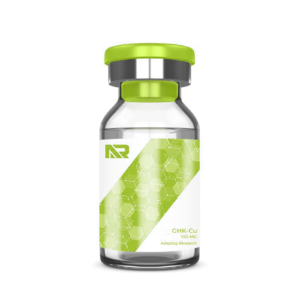
GHK-Cu is typically supplied as a lyophilised (freeze-dried) powder to ensure stability during transit via Royal Mail or other UK couriers. Proper storage is essential; the dry powder should be kept at -20°C for long-term stability, while reconstituted solutions must be stored at 2°C to 8°C. Reconstitution should be performed using Bacteriostatic Water (0.9% benzyl alcohol) to maintain sterility throughout the duration of the experiment. Handling should be meticulous, avoiding vigorous shaking, which can denature the delicate peptide bonds.
For researchers new to peptide preparation, using a peptide reconstitution calculator is highly recommended to ensure precise concentrations. Accuracy in measurement is paramount for the reproducibility of scientific data. It is important to remember that GHK-Cu has a distinctive blue colour due to the presence of the copper ion. A change in colour or the presence of precipitate may indicate contamination or degradation of the sample.
Worked Reconstitution Mathematics Example
To demonstrate the preparation of a GHK-Cu solution for a laboratory experiment, consider the following worked example. A researcher has a vial containing 50mg of lyophilised GHK-Cu. They intend to create a concentration suitable for multiple small-dose applications in a cellular assay.
- Peptide Quantity: 50mg (50,000mcg)
- Diluent: 5ml of Bacteriostatic Water
- Resulting Concentration: 10mg per 1ml (or 1,000mcg per 0.1ml)
- Target Research Dose: 2,000mcg
- Calculation: Using a standard U-100 insulin syringe (where 1ml = 100 units), each unit (0.01ml) contains 500mcg of GHK-Cu.
- Measurement: To achieve the target research dose of 2,000mcg, the researcher would draw the solution to the 4-unit mark on the syringe (4 units x 500mcg/unit = 2,000mcg).
Antioxidant and Anti-Inflammatory Properties in Research
The role of GHK-Cu in mitigating oxidative stress is a burgeoning field of study. Copper is a double-edged sword in biological systems; while necessary for enzyme function, free copper ions can trigger the Fenton reaction, leading to the production of damaging hydroxyl radicals. GHK-Cu acts as a protective carrier, safely sequestering copper and delivering it only to the specific enzymes that require it. This sequestration reduces the pool of free copper, thereby lowering oxidative damage to lipids and DNA.
In neurological research models, GHK-Cu is studied for its potential to protect nerve cells from the toxicity of inflammatory mediators. UK researchers have observed that GHK-Cu can increase the expression of neurotrophic factors, such as Nerve Growth Factor (NGF). This suggests that the peptide may play a role in supporting neuronal survival in environments plagued by chronic inflammation. Many studies also compare GHK-Cu’s systemic antioxidant profile with other peptides like Epitalon to determine the most effective agents for cellular longevity research.
Future Directions and UK Research Procurement
The future of GHK-Cu research in the United Kingdom is directed toward personalising the regenerative response. By understanding the specific gene clusters that GHK-Cu activates, scientists hope to develop more targeted experimental protocols for bone density research, pulmonary health, and advanced wound therapeutics. The peptide remains a cornerstone of regenerative biochemistry due to its multi-faceted approach to cellular health, affecting everything from DNA repair to the synthesis of structural proteins.
For UK-based institutions looking to shop for high-purity peptides, sourcing from reputable suppliers who provide third-party HPLC and Mass Spectrometry analysis is crucial. Quality assurance ensures that the results obtained in the laboratory are reflective of the peptide’s true potential rather than skewed by impurities or incorrect concentrations. As research progresses, the integration of GHK-Cu with other compounds like TB-500 or GHK-Cu UK specific formulations will likely yield new insights into the complexities of biological repair mechanisms.
Frequently Asked Questions
Is GHK-Cu legal to purchase for research in the UK?
Yes, GHK-Cu is legal to purchase in the United Kingdom for laboratory research and developmental purposes. It is not a controlled substance under the Misuse of Drugs Act. However, it must be noted that it is strictly not for human consumption. Sellers must ensure that the product is marketed and sold exclusively to individuals or institutions conducting legitimate scientific research, and users must comply with all UK health and safety regulations regarding laboratory chemicals.
What is the most effective way to store GHK-Cu?
In its lyophilised (powder) form, GHK-Cu is quite stable. For short periods, it can be kept at room temperature away from direct sunlight; however, for long-term storage, it is best kept at -20°C. Once the peptide is reconstituted into a liquid solution using Bacteriostatic Water or sterile saline, it becomes much more fragile. It should be stored in a refrigerator at 2°C to 8°C and used within 2 to 4 weeks to ensure maximum potency and prevent bacterial growth or peptide degradation.
Can GHK-Cu be combined with other research peptides?
In a research environment, GHK-Cu is frequently studied in combination with other peptides to observe synergistic effects. For example, researchers might combine it with BPC-157 to study the combined impact on tendon or ligament repair. When combining peptides, researchers must carefully calculate concentrations and ensure that the total volume of solvent is appropriate for the experimental model. Each peptide should ideally be reconstituted separately to maintain control over precise dosages.
How can I verify the purity of GHK-Cu for my studies?
UK researchers should always request a Certificate of Analysis (COA) from their supplier. A high-quality GHK-Cu sample should have a purity layout of 98% or higher, verified through High-Performance Liquid Chromatography (HPLC) and Mass Spectrometry (MS). The appearance of the powder should be a consistent light-blue colour. Any inconsistencies in colour or the presence of moisture (clumping) in the vial may indicate a degradation of the peptide or the presence of unwanted salts or reagents from the synthesis process.